



Dips and Spreads
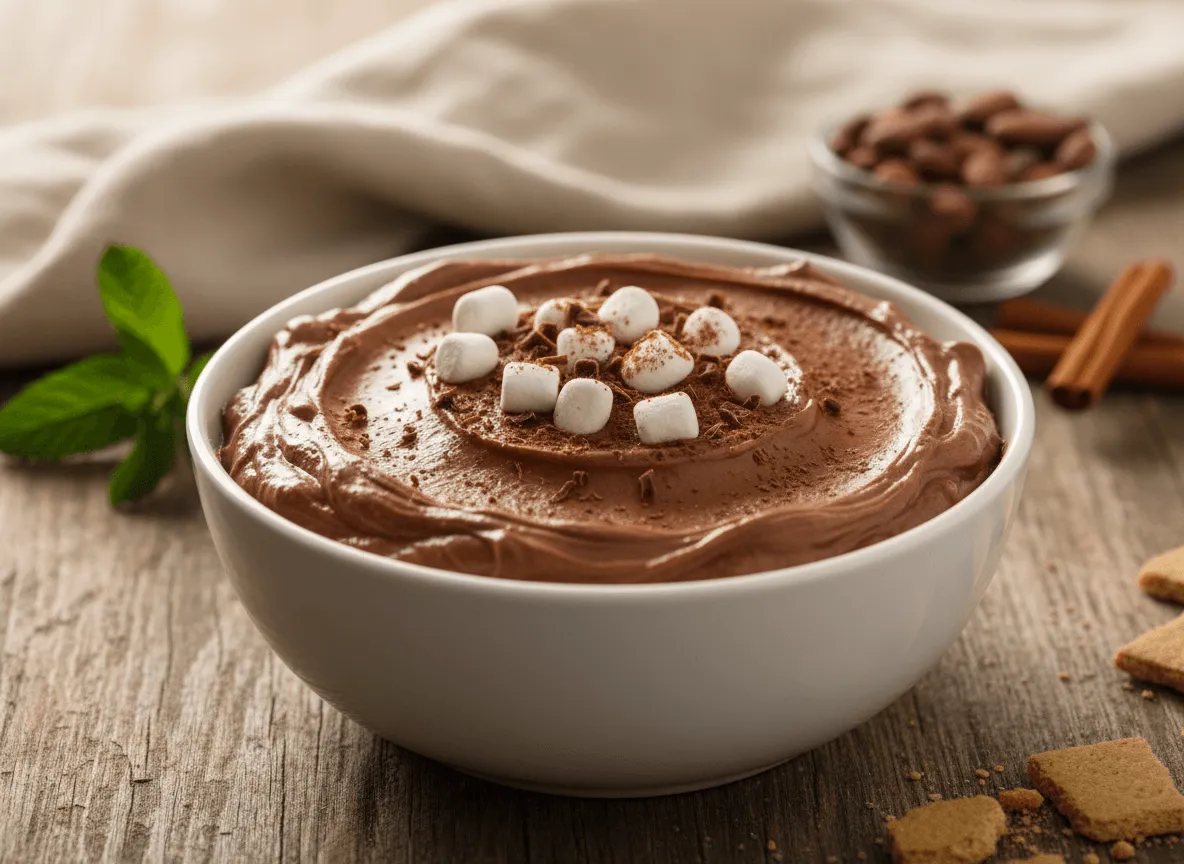
Decadent No-Bake Hot Chocolate Dip
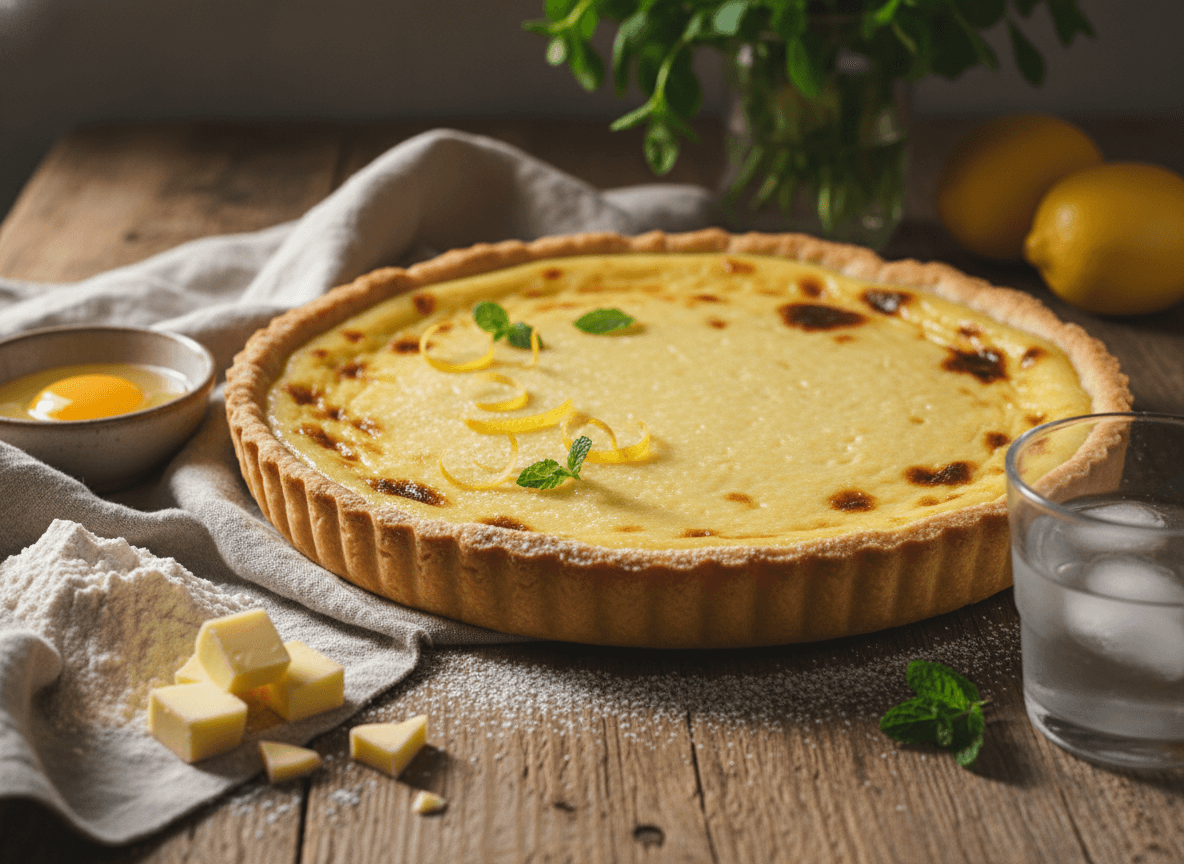
A bright, zesty Easter dessert featuring a perfectly crisp, buttery shortcrust pastry filled with a smooth, vibrant lemon curd. This classic tart is a refreshing and elegant treat for any occasion.
*Nutrition per serving
A bright, zesty Easter dessert featuring a perfectly crisp, buttery shortcrust pastry filled with a smooth, vibrant lemon curd. This classic tart is a refreshing and elegant treat for any occasion.
*Nutrition per serving
| 250g (2 cups) | All-purpose flour |
| 125g (1/2 cup + 1 tbsp) | Unsalted butter, cold and cubed |
| 50g (1/4 cup) | Granulated sugar |
| 1 large (approx. 18g) | Egg yolk |
| 30-60ml (2-4 tbsp) | Ice water |
| 4 large (approx. 200ml juice, 4 tbsp zest) | Lemons, zested and juiced |
| 200g (1 cup) | Granulated sugar |
| 4 (approx. 200g total) | Large eggs |
| 100g (7 tbsp) | Unsalted butter, softened |
| Optional | Powdered sugar, for dusting |
Prepare the Tart Dough: In a large bowl, combine the 250g (2 cups) all-purpose flour and 50g (1/4 cup) granulated sugar. Add the 125g (1/2 cup + 1 tbsp) cold, cubed unsalted butter. Using your fingertips or a pastry blender, cut the butter into the flour mixture until it resembles coarse breadcrumbs with some pea-sized pieces of butter remaining. This is crucial for a tender crust.
Avoid overworking the dough, as this can make the crust tough.
Add the egg yolk and 30ml (2 tbsp) of ice water to the bowl. Mix with a fork until the dough just starts to come together. If it seems too dry, add more ice water, 15ml (1 tbsp) at a time, until the dough forms a cohesive ball. Be careful not to add too much water.
The dough should not be sticky. If it is, add a touch more flour.
Gently shape the dough into a flat disc, wrap it tightly in plastic wrap, and refrigerate for at least 30 minutes (or up to 2 days). Chilling the dough allows the gluten to relax and the butter to firm up, making it easier to roll and preventing shrinkage during baking.
A longer chilling time, even overnight, will improve the texture.
Preheat your oven to 190°C (375°F). Lightly grease a 23cm (9-inch) tart pan with a removable bottom. On a lightly floured surface, roll out the chilled dough into a circle approximately 3mm (1/8 inch) thick and large enough to fit your tart pan, with a slight overhang. Carefully transfer the dough to the tart pan, pressing it gently into the bottom and up the sides. Trim any excess dough from the edges.
If the dough cracks while rolling, simply press it back together. For a neat edge, roll your rolling pin over the rim of the tart pan.
Prick the bottom of the tart shell all over with a fork. Line the tart shell with parchment paper and fill it with pie weights or dried beans. This is called blind baking and prevents the crust from puffing up unevenly.
Make sure the parchment paper covers the sides of the crust as well to support them.
Bake the tart shell for 15 minutes at 190°C (375°F). Carefully remove the parchment paper and weights. Return the tart shell to the oven and bake for another 10-12 minutes, or until the crust is golden brown and appears dry. If any part of the crust is browning too quickly, you can loosely tent it with aluminum foil. Remove from oven and let cool slightly while you prepare the filling.
A pale gold color is ideal. Over-baking can make the crust too hard.
Prepare the Lemon Filling: In a medium saucepan (off the heat), whisk together the juice and zest of 4 large lemons (about 200ml juice, 4 tbsp zest), 200g (1 cup) granulated sugar, and 4 large eggs. Whisk until thoroughly combined and smooth.
Using both zest and juice provides the most intense lemon flavor.
Place the saucepan over medium-low heat. Cook, stirring constantly with a whisk or a heatproof spatula, until the mixture thickens enough to coat the back of a spoon. Do not let it boil, as this can scramble the eggs. This usually takes about 8-10 minutes. The mixture should reach approximately 77°C (170°F) on an instant-read thermometer if you have one.
Stirring constantly is key to achieving a smooth, custard-like consistency without lumps.
Remove the saucepan from the heat. Gradually whisk in the 100g (7 tbsp) softened unsalted butter, one piece at a time, until fully incorporated and the filling is smooth and glossy. The butter adds richness and a silky texture to the lemon curd.
Adding the butter off the heat helps emulsify it into the curd.
Pour the warm lemon filling into the pre-baked tart shell. Smooth the top with a spatula. The filling will continue to set as it cools.
Ensure the tart shell is slightly cooled before pouring in the filling to prevent a soggy bottom.
Let the tart cool completely at room temperature for about 1-2 hours. Once cooled, carefully transfer the tart to the refrigerator and chill for at least 2-3 hours, or preferably overnight, to allow the filling to set completely.
Chilling is essential for the filling to firm up properly, making it easy to slice.
To serve, carefully remove the outer ring of the tart pan. Dust with powdered sugar if desired. Slice with a sharp knife and enjoy the bright, tangy flavor of your homemade lemon tart.
For clean slices, wipe the knife blade with a damp cloth between cuts.
Dips and Spreads
Decadent No-Bake Hot Chocolate Dip
Bread & Baked Goods
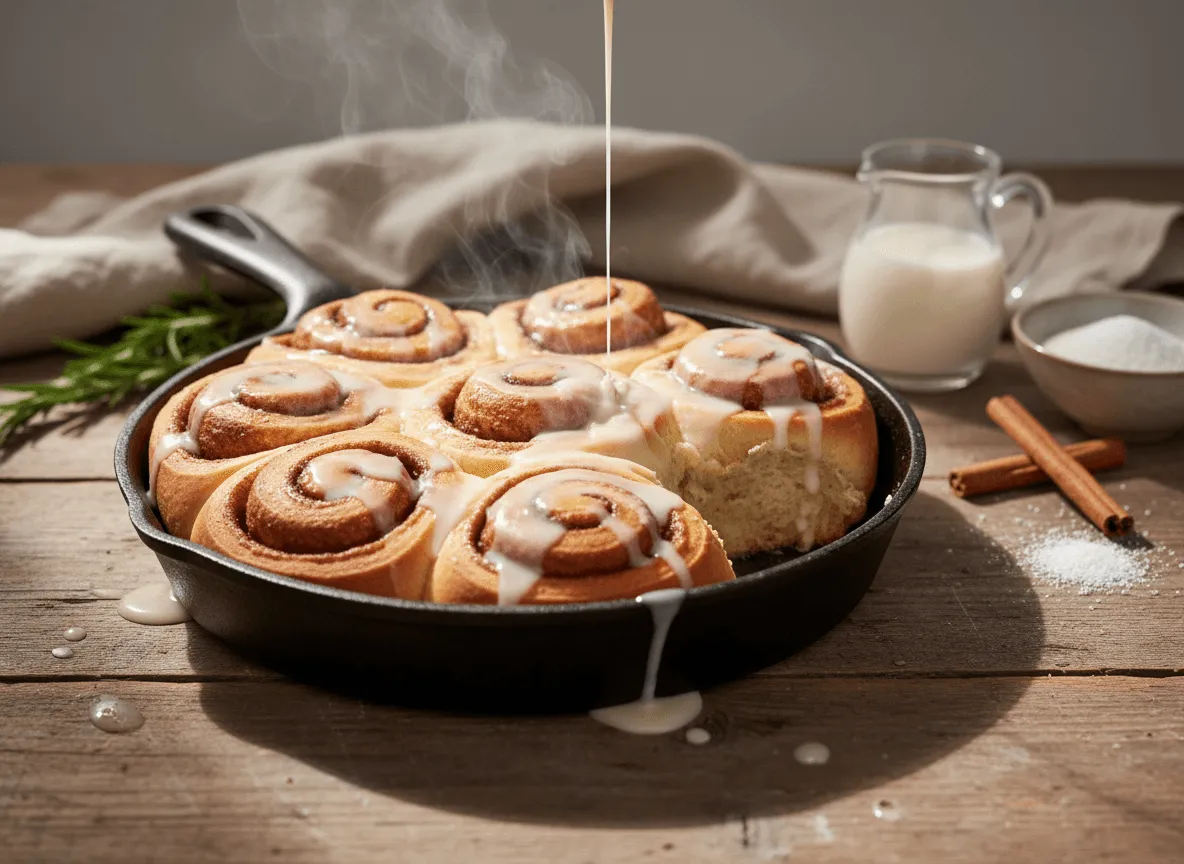
Classic Soft Cinnamon Rolls with Vanilla Icing
Bread & Baked Goods
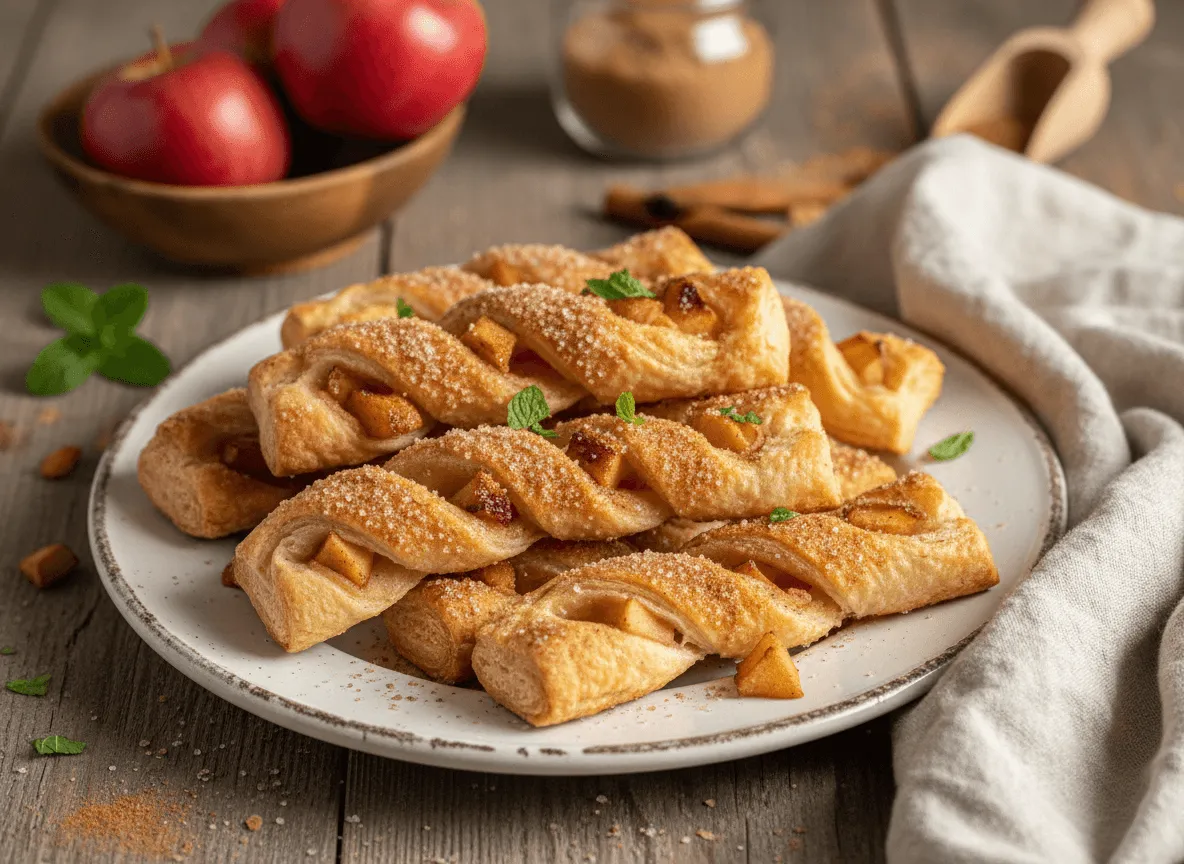
Easy Cinnamon Apple Puff Pastry Twists
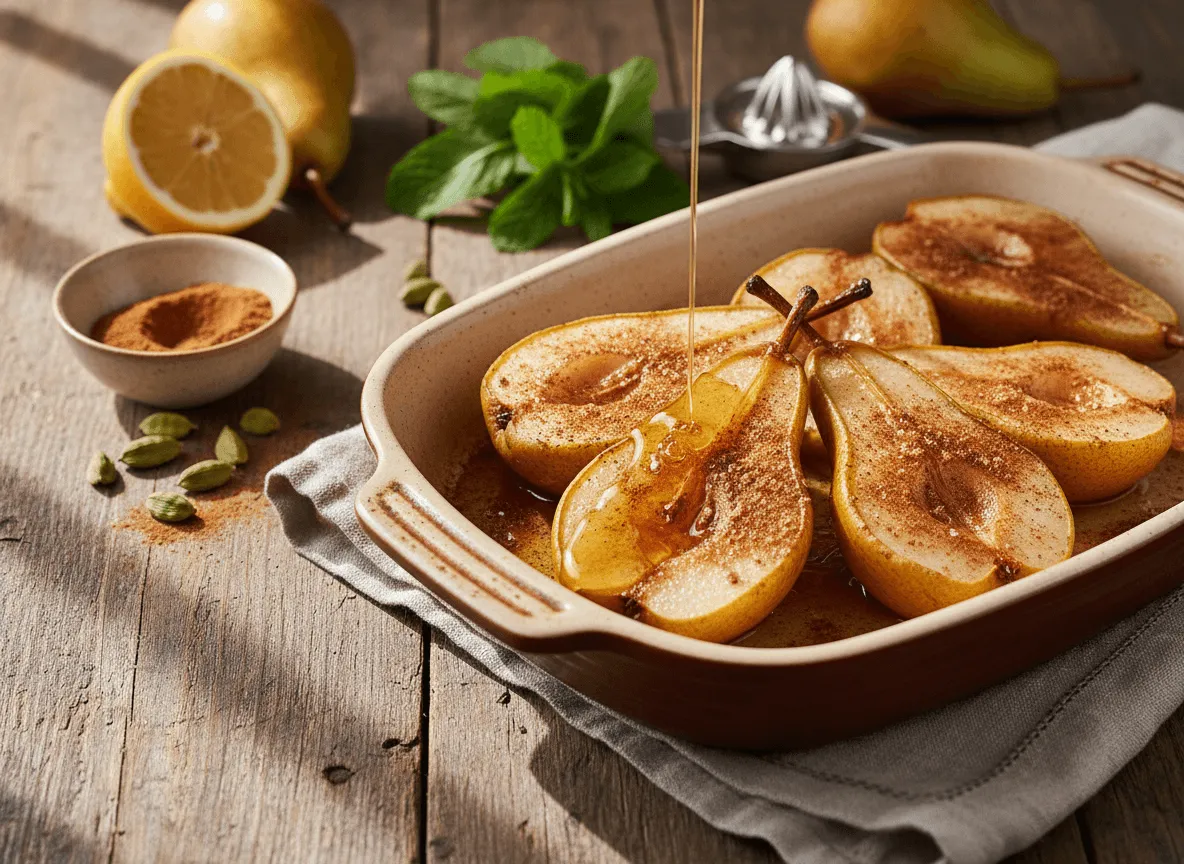
Desserts
Cinnamon Cardamom Baked Pears with Honey Drizzle
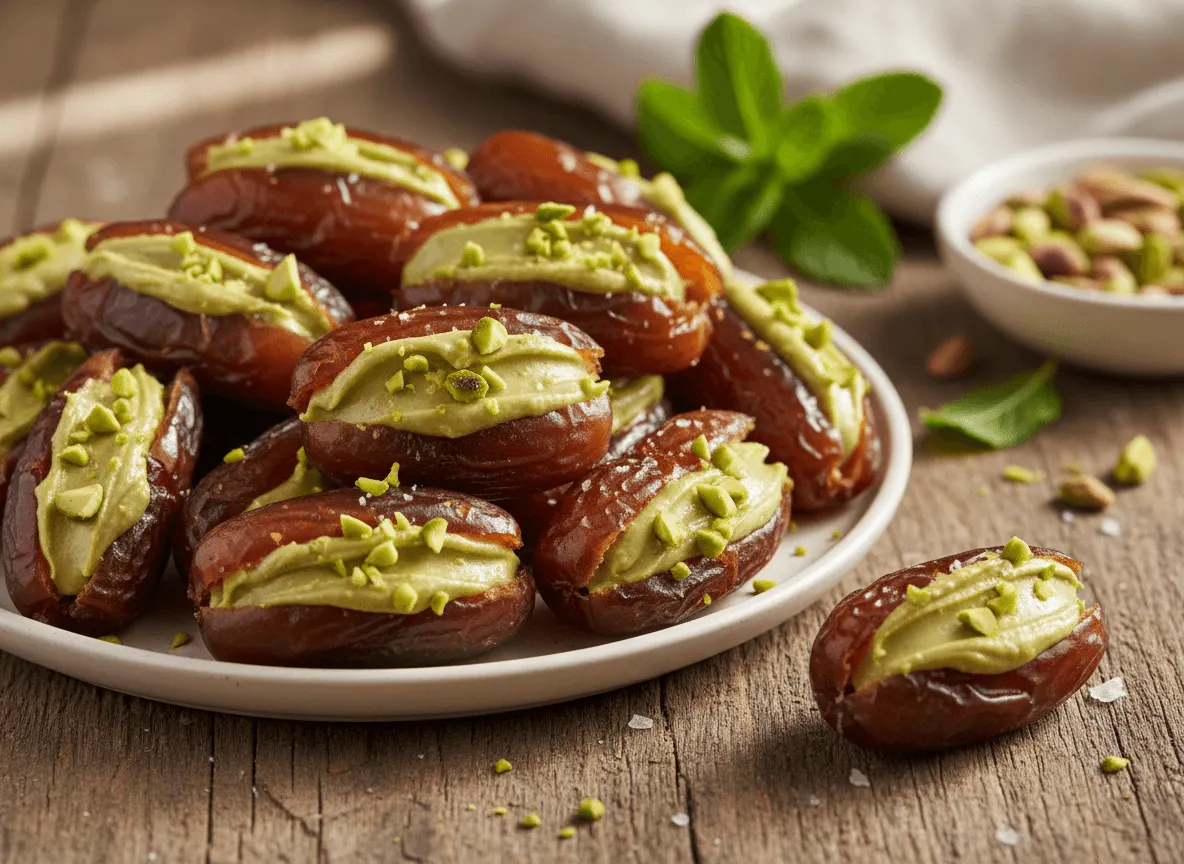
Nuts and Seeds
Viral Pistachio Butter Stuffed Dates
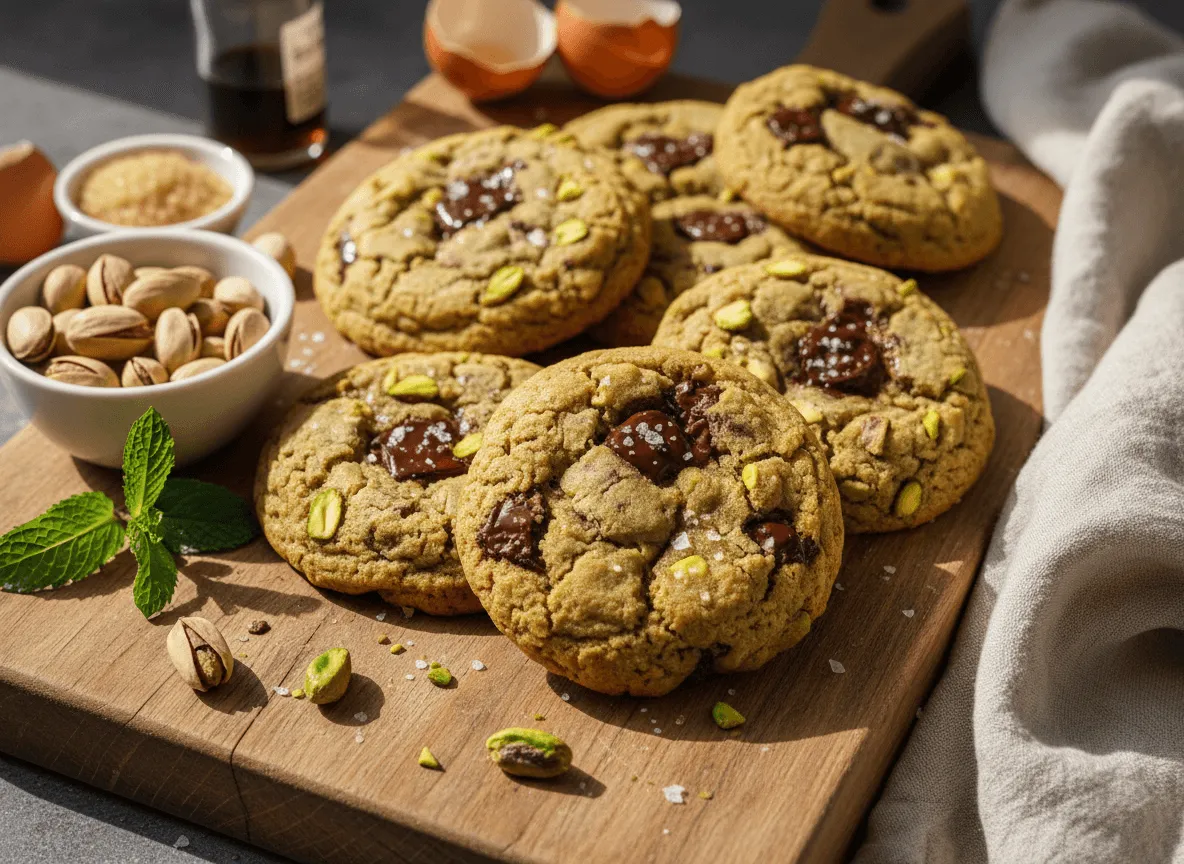
Cookies
Soft Pistachio Chocolate Chunk Cookies